
Best Electric Scooter Lights for Night Riding
Zipping through city streets after dark offers a unique kind of freedom. The roads are quieter, the air is cooler, and your daily commute transforms from a chore into a genuinely fun ride. However, night riding also demands a heightened focus on safety and visibility. Relying solely on the factory-installed light on your scooter is often a risky gamble. If you want to see the road clearly and ensure others see you, investing in the Best Electric Scooter Lights for Night Riding is absolutely non-negotiable.
Whether you are an everyday commuter navigating busy intersections or a weekend joyrider exploring suburban paths, having reliable electric scooter lights will completely transform your post-sunset experience. In this comprehensive guide, we will dive into the top features, mounting styles, and safety tips to help you choose the best electric scooter lights for your specific needs.
The Crucial Upgrade: Built-In Scooter Lights vs Aftermarket Performance
One of the first things new riders realize is that factory-equipped scooter lights leave a lot to be desired. While high-end scooters are beginning to integrate better illumination, the vast majority of stock headlights are designed for basic compliance. When comparing built-in scooter lights vs aftermarket performance, the difference in safety and clarity is staggering.
Factory lights are usually "be-seen" lights. They emit just enough glow to signal your presence to pedestrians and cars, but they rarely project a wide or deep enough beam to illuminate potholes, wet leaves, or debris in your path. Upgrading to high lumen external scooter headlights allows you to cast a powerful beam hundreds of feet ahead of you. This gives you the critical reaction time needed to swerve or brake safely when an obstacle appears in the dark.
Key Features to Look For in LED Scooter Lights
Not all lights are created equal. When shopping for the perfect nighttime setup, you need to look beyond just the price tag and evaluate the underlying technology.
Brightness and Advanced Optics
A common question among riders is: how many lumens for safe night commuting? As a general rule of thumb, you should aim for a minimum of 400 to 600 lumens if you are riding in well-lit urban environments. However, if your route takes you through pitch-black suburban streets or unlit park paths, stepping up to 800 or 1000+ lumens is highly recommended to ensure adequate visibility.
But raw brightness isn't everything; how that light is focused matters just as much. You should prioritize anti-glare beam patterns for urban riding. These specialized cut-off lenses direct the brightest part of the light downward onto the pavement rather than scattering it upward. This prevents you from blinding oncoming pedestrians, cyclists, and drivers, ensuring everyone sharing the road remains safe.
Premium Illumination Technology
When evaluating led scooter lights, pay attention to the bulb technology. The gold standard right now is CREE LED technology for micro-mobility. CREE LEDs are incredibly efficient, meaning they produce intense, piercingly bright white light without generating excessive heat or rapidly draining your power source.
Battery Life and Power Management
An incredibly bright light is useless if it dies halfway through your commute. Look for setups that offer long-lasting lithium-ion battery run times. High-quality lithium-ion batteries hold their charge well in cold weather and offer consistent power output. Many modern units also feature USB-C fast charging, allowing you to easily top up the battery at your office desk before your ride home.
Rugged Durability for the Road
Electric scooters don't have the plush, forgiving suspension of an automobile. Every bump, crack, and cobblestone sends shockwaves up the stem of your scooter. Therefore, you must invest in vibration resistant shockproof lighting systems. A cheaply made light will easily rattle apart, or the internal wiring will fail after a few rough rides.
Furthermore, weather can change in an instant. Getting caught in a sudden downpour is a rite of passage for commuters. Make sure you purchase IPX6 waterproof rechargeable safety lamps. An IPX6 rating guarantees that your lights can withstand powerful water jets from any direction, ensuring your path stays illuminated even during heavy rainstorms.
Mounting Options: Handlebar Mounted vs Stem Attached Lighting
Where you place your lights greatly dictates how effective they are. The debate between handlebar mounted vs stem attached lighting ultimately comes down to your riding environment and personal preference.
-
Handlebar Mounted Lighting: Placing the light high up on your handlebars gives you the furthest forward visibility. Because the light is mounted to your steering column, the beam follows your exact movements, illuminating the corners as you turn. It is generally the best position for high-speed riding.
-
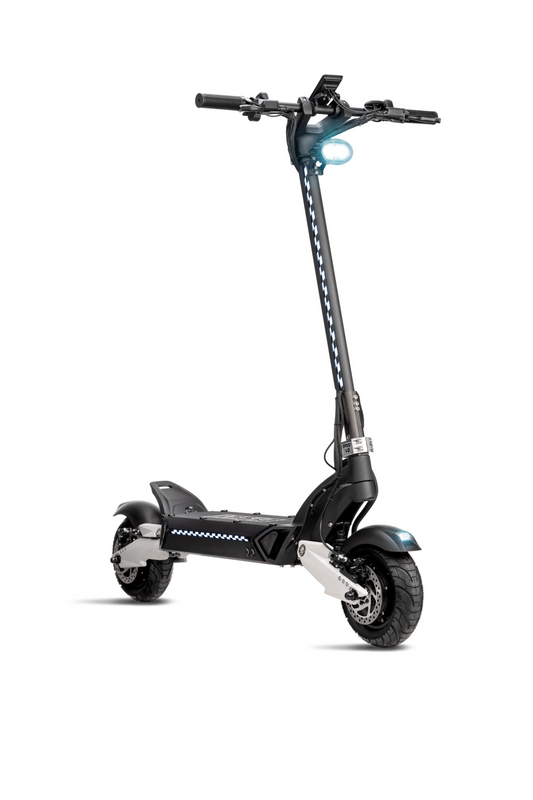
Stem Attached Lighting: Mounting your light lower on the vertical stem of the scooter is excellent for highlighting the texture of the road. Lower light casts longer shadows on potholes and bumps, making them easier to spot. It also naturally keeps the beam out of the eyes of oncoming traffic.
Whichever positioning you prefer, always look for models featuring quick release universal mounting brackets. These durable, tool-free straps or clamps allow you to snap the light off in seconds. This is a vital feature for urban riders who need to take their lights inside to prevent theft when locking their scooter outdoors.
Budget-Friendly Ultra-Bright Commuter Upgrades
You don't have to break the bank to stay safe. While premium brands offer incredible build quality and smart features, the market is currently flooded with budget-friendly ultra-bright commuter upgrades that punch well above their weight class. Many affordable options now feature aerospace-grade aluminum housing, multiple brightness modes, and reliable battery indicators. When shopping on a budget, prioritize the structural integrity of the mount and the waterproof rating over flashy, unnecessary features like Bluetooth connectivity.
Maximizing Safety Beyond the Headlight
While a powerful forward-facing beam is your primary defense against the dark, a holistic approach to visibility will keep you much safer on the road.
Daytime and Strobe Usage
Your lights aren't just for midnight rides. A major element of commuting safety involves utilizing daytime running strobe mode benefits. Setting your front headlight to a pulsing strobe during daylight hours creates a contrasting flash against the ambient sunlight. This simple action drastically reduces the chances of a distracted driver pulling out of a driveway or turning into your path.
360-Degree Awareness
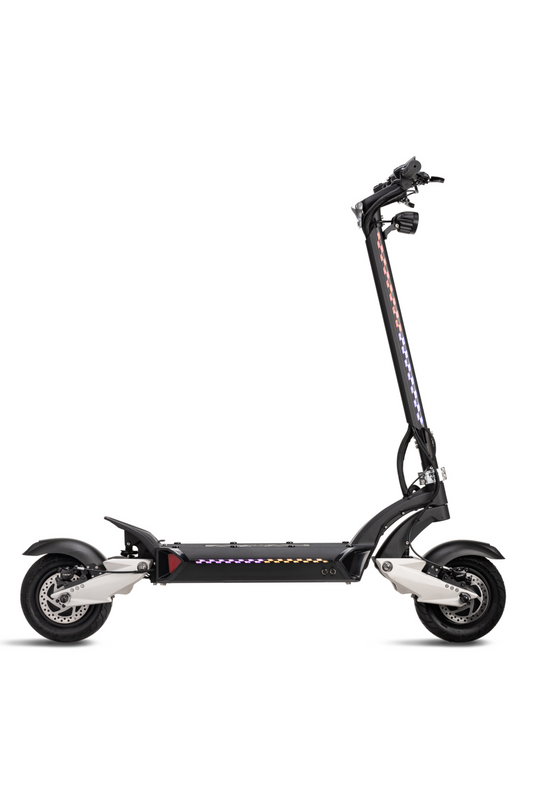
A common blind spot for scooter riders is side visibility. Headlights and taillights handle the front and rear, but intersections require you to be seen from the side. To fix this, combine your primary lighting setup with peripheral side visibility reflective strips. Applying high-quality reflective tape to the sides of your scooter's deck, stem, or even your helmet ensures that headlights from approaching cars will catch your silhouette instantly.
Navigating Trail Etiquette and Legality
As lighting technology improves, a common question arises: are 1000 lumen lights legal on bike paths? Generally speaking, yes, there are rarely strict legal lumen limits for micro-mobility devices on shared paths. However, the way you use them is subject to local cycling and scooter ordinances—and basic human decency. A 1000-lumen beam aimed straight ahead on a dark, narrow bike path is incredibly dangerous for oncoming cyclists. If you run a high-powered light, always angle it slightly downward and utilize the lower brightness settings when sharing confined spaces.
How to Install Auxiliary Lights on Electric Scooters
Upgrading your setup is usually a simple, DIY process. Here is a quick guide on how to install auxiliary lights on electric scooters to ensure a secure, rattle-free fit:
-
Clean the Surface: Wipe down your handlebar or stem with rubbing alcohol to remove dust and grease. This ensures the mount has maximum grip.
-
Apply a Shim: Most quality lights come with rubber shims. Wrap the rubber piece around the bar. This protects your scooter’s paint and prevents the mount from slipping downward on bumpy roads.
-
Attach the Bracket: Fasten the quick release universal mounting bracket over the rubber shim. Tighten the screws or straps firmly, but be careful not to overtighten and strip the threads.
-
Mount the Light: Slide your new light unit into the bracket until you hear a solid click.
-
Adjust the Angle: Turn the light on in a dark environment. Adjust the vertical angle so the brightest hotspot of the beam hits the ground roughly 20 to 30 feet ahead of your front tire. Lock it in place.
Final Thoughts on Night Riding Safety
Riding an electric scooter at night is an exhilarating experience, provided you have the right gear. By moving away from weak factory setups and upgrading to the Best Electric Scooter Lights for Night Riding, you take control of your safety. By prioritizing sufficient lumens, anti-glare lenses, rugged waterproofing, and smart mounting locations, you can conquer your nighttime commutes with absolute confidence. Light up the road ahead, stay vigilant, and enjoy the ride.
Tags:
Previous
Top Off‑Road Electric Scooters for Rugged Terrain
Next
Top Off‑Road Electric Scooters for Rugged Terrain